
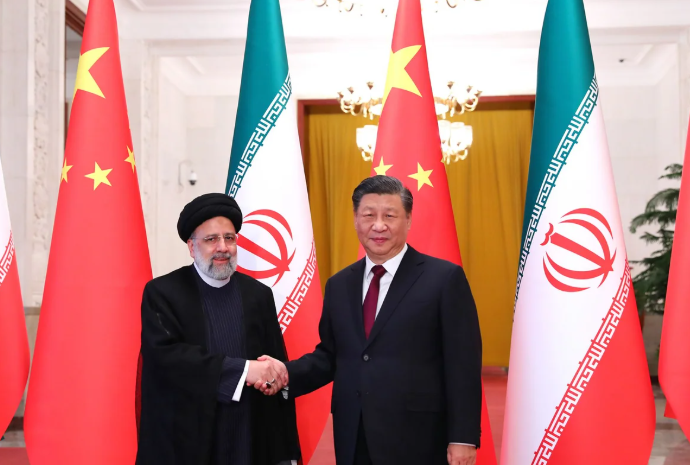
For decades the world has been told that a multipolar era is emerging that China and Russia are rising to challenge American dominance. Analysts academics and think tanks have all painted them as reliable allies for nations under pressure from Washington ready to shield partners from sanctions embargoes or military coercion. Reality however has exposed a harsher truth. Iran Venezuela and Cuba have demonstrated that China and Russia are paper tigers. They look formidable they talk tough they parade military and economic power but when real pressure hits their allies are left on their own.
Donald Trump for all his flaws and chaos reminded the world that the United States remains the only superpower capable of enforcing its will globally. Sanctions on Tehran Caracas and Havana have real and immediate consequences. Economies wobble governments strain and ordinary people bear the burden. By contrast China and Russia reveal repeatedly that their commitments to allies are largely symbolic. They seek influence access and leverage but they do not have the political courage or strategic spine to back those allies when Washington applies pressure.
China’s Bluff and Limited Commitment
China projects the image of a global hegemon. Belt and Road megaprojects sprawling trade networks and strategic investments across Africa Latin America and Asia are all meant to signal that Beijing is the new arbiter of global power. Yet the experience of Iran Venezuela and Cuba shows that China’s power is mostly performative. When these countries face pressure from the United States China does the minimum and nothing more.
Iran is the clearest example. As sanctions crippled the Iranian economy Beijing signed a 25-year cooperation agreement promising investment trade and development. In practice China has been careful to avoid confrontation with the United States. It continues to buy oil when convenient it invests selectively and it maintains diplomatic cover but it will not absorb real risk for Tehran. China’s ally status has proven transactional. It is willing to extract economic benefits from Iran but it is not willing to challenge Washington directly on Iran’s behalf. When the pressure is real China retreats. That is bluff not support.
Venezuela offers a similar case. Beijing has accepted oil in exchange for loans extended credit and invested in infrastructure projects. But when Washington imposed sanctions and tightened economic screws China did not step in to stabilize Venezuela or confront the U.S. on Caracas’s behalf. Cuba has also received cautious Chinese investment but Beijing has not engaged in any substantive protection or support against U.S. pressure. China can talk tough and brand itself as a counterweight but the reality is that it is a cautious trader first and a geopolitical actor second. Its teeth are paper.
This is not a minor failure it is a systemic weakness. China can wield economic influence and soft power but it cannot provide real strategic defense for its allies. Nations counting on Beijing to protect them will find themselves exposed and vulnerable. The illusion of Chinese reliability collapses under pressure.
Russia’s Pretensions and Strategic Cowardice
Russia often portrayed as the global counterweight to the United States displays similar weaknesses. Moscow has nuclear weapons regional military power and political ambitions but its willingness to defend allies is limited opportunistic and cautious. Interventions in Syria and Venezuela are calculated transactional and defensive rather than proactive. Russia seeks influence without risk. When confronted with potential conflict with the United States it hedges retreats or limits involvement to protect its own interests.
Venezuela is instructive. Moscow sent advisors supplied arms and engaged diplomatically but it never challenged U.S. sanctions or risked escalation to defend Caracas effectively. Syria too demonstrates this pattern. Russia intervened to preserve Assad and secure bases but it did not commit to rebuilding the country or providing long-term stability. Its military action was designed to secure immediate advantage while avoiding serious confrontation. Nuclear deterrence may give Russia a seat at the table but it does not translate into sustained global leadership. Moscow can intimidate in limited theaters but it cannot protect allies globally.
Iran has also discovered this reality. Despite cooperation with Russia in Syria and shared opposition to the United States Moscow does not actively shield Tehran from sanctions or economic pressure. Russia wants influence resources and leverage but it will not risk direct confrontation. Its reputation as a strategic heavyweight is overstated. In practical terms Russia is a regional power not a global guarantor.
The Only Real Superpower
The United States remains the only actor capable of global enforcement. Trump’s administration demonstrated this by applying sanctions and economic pressure in ways that yielded real consequences. Iran’s economy feels the strain. Venezuela teeters on the edge of collapse. Cuba struggles. America can bend outcomes without firing a shot. China and Russia by contrast have shown repeatedly that their capacity to challenge Washington decisively is limited.
Some argue that China and Russia gain strategic leverage market access and influence from these partnerships. That is true but only partially. When the pressure hits their allies are left exposed. They may extract resources and prestige but they cannot provide meaningful security or protection. Iran Venezuela and Cuba show that alliances with these powers are mostly symbolic and opportunistic. For nations seeking reliable partners Beijing and Moscow have proven themselves inadequate.
China and Russia’s global image is inflated. They appear strong because they have economic heft nuclear weapons and regional influence. But these attributes do not equate to the capacity or courage to defend partners under pressure. When allies need commitment risk-sharing or confrontation China and Russia flinch. They bluff. They posture. They threaten rhetorically. But when action matters they are absent.
Smaller nations that are tempted to align with Beijing or Moscow must reconsider. Alliances with China or Russia offer short-term economic benefits and symbolic prestige but they leave critical vulnerabilities. In contrast the United States despite internal dysfunction or policy disagreements remains the actor that can enforce its will project power and shape outcomes globally. That is the decisive reality of international relations in the 21st century.
Conclusion
Iran Venezuela and Cuba expose the inconvenient truth. China and Russia are paper tigers. They have impressive appearances and rhetorical posturing but they lack the backbone commitment and courage to protect allies when it counts. Economic leverage military displays and regional interventions are no substitute for decisive action. Smaller nations learn quickly that reliance on Beijing or Moscow is risky and limited. America flawed and controversial as it may be is still the only global actor capable of sustained enforcement. Sanctions economic power and military reach remain unmatched. The lesson is clear. China and Russia bluff. They posture. They extract resources. But when real pressure comes their allies are on their own. Iran Venezuela and Cuba are proof that the myth of multipolarity is just that a myth. The United States remains the only superpower with teeth and the only actor capable of shaping global outcomes in any meaningful way.