
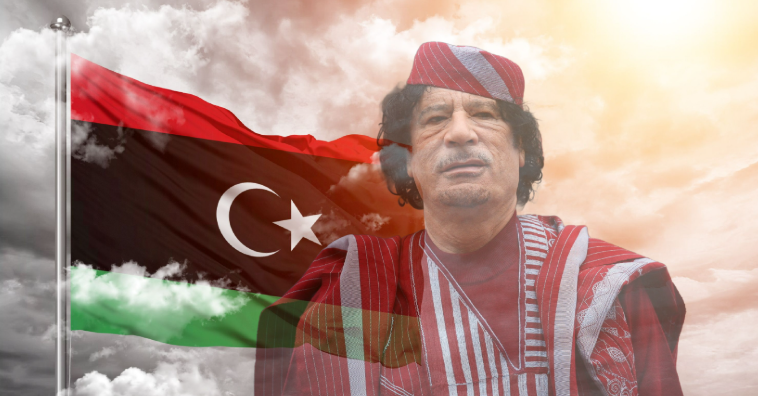
The fall of Muammar Gaddafi in 2011 was met with a wave of optimism both inside Libya and abroad. For a country that had been tightly controlled for decades, many Libyans believed that 2011 would mark the start of an era defined by national reconstruction, social liberalization, and economic growth. In the immediate aftermath of Gaddafi’s ouster, foreign journalists flooded Tripoli, western diplomats offered aid packages, and local citizens attempted to take their newfound freedoms seriously. Yet twelve years on, the promise has largely evaporated. Libya today is fragmented, its governance fractured between competing authorities, and its people caught in the middle of a slow-burning crisis that shows few signs of resolution.
Since 2011, Libya has been split in practice if not always in law. The internationally recognized Government of National Unity (GNU) in Tripoli coexists uneasily with the rival Libyan National Army (LNA) in the east, a division that has hardened over time and fueled recurring skirmishes. International actors, including NATO nations that contributed to Gaddafi’s removal, continue to influence both halves of the country, ensuring that Libya remains dependent and weak on the global stage. What was once a country capable of standing toe-to-toe with Israel diplomatically and militarily now struggles to maintain basic infrastructure, provide security, or project a coherent foreign policy. Even internal debates—whether over oil revenues, local militias, or the role of religion in governance—are overshadowed by the broader problem of a divided nation.
Post-Gaddafi Fragmentation
One of the most significant consequences of Gaddafi’s removal is the erosion of centralized authority. The collapse of state institutions meant that local militias, tribal factions, and city-based powers quickly filled the vacuum. Cities such as Misrata, Benghazi, and Sabha now operate with semi- autonomous militias that effectively control policing, oil exports, and trade routes within their regions. This fragmentation has made
national governance almost impossible, with laws and policies varying dramatically from one area to the next. While the GNU has attempted to unify the country through elections and reconciliation efforts, these attempts are undermined by the simple fact that competing authorities have entrenched themselves over more than a decade.
The political and economic consequences have been severe. Libya’s oil production, once the backbone of the national economy, has suffered repeated interruptions. Disputes between militias and regional leaders have forced the closure of fields and ports, while corruption and mismanagement have siphoned revenue away from the central treasury. Ordinary Libyans face power shortages, water scarcity, and inflation as the black market for essentials grows. In this context, the optimism of 2011 seems almost surreal. Where young people once dreamed of entrepreneurship and international travel, they now struggle to find employment and basic services, often turning to migration as a last resort.
A growing number of citizens, especially in the east, have begun to speak openly about Gaddafi in ways that would have been unimaginable under his rule. Once vilified in official discourse, he is now sometimes remembered as a figure of stability, a man who maintained national sovereignty against international pressure and Western intervention. Some voices even frame him as a martyr, overthrown by thirty-one NATO countries, and they credit his era with giving Libya the confidence and pride to resist external
dominance. This shift in perception is particularly notable among older generations and those who endured the chaos of the post- 2011 years, who now see the decades-long civil conflict as evidence of the costs of Gaddafi’s removal.
International Influence and Weakness
Libya’s internal division benefits external powers, particularly those seeking to assert influence in the Mediterranean and North Africa. The inability of the country to act cohesively has meant that Western interests, including those of France, Italy, and the United States, can negotiate favorable terms on energy, security, and trade without encountering a unified Libyan counterweight. Meanwhile, Israel and allied nations watch from afar, aware that the country’s military and diplomatic capabilities have been hollowed out. For ordinary Libyans, this translates into a sense of vulnerability and frustration. National pride exists largely as rhetoric, expressed in demonstrations and pro-Palestinian rallies, but the capacity for meaningful political action or regional engagement is minimal.
Despite these challenges, some factions within Libya are looking toward the future. There is ongoing speculation that Saif al-Islam Gaddafi, the son of the late leader, could emerge as a figure capable of unifying at least parts of the country. Advocates suggest that his leadership might inspire a “green revolution,” blending Gaddafi-era rhetoric with contemporary development goals. The longer the political impasse persists, the more likely it becomes that such a figure could gain traction, particularly among citizens frustrated by decades of instability. However, this scenario is far from guaranteed; regional powers, rival militias, and international stakeholders all have a vested interest in maintaining
the current equilibrium of division, making any single leadership bid extremely difficult.
Social and economic consequences continue to mount. Youth unemployment remains among the highest in the world, reaching upwards of fifty percent in some regions. Infrastructure decay has left hospitals, schools, and roads in poor condition, and basic utilities are erratic. Many families rely on informal networks for food and water, and the black market has become a normalized part of daily life. Even in Tripoli, where foreign embassies operate and the GNU holds nominal authority, security incidents are common and law enforcement is uneven at best. These conditions contribute to a wider sense of disillusionment, which in turn feeds into nostalgia for the Gaddafi era among certain segments of the population.
Libya’s international image has suffered accordingly. Media coverage emphasizes civil strife, smuggling, and human rights abuses, often overshadowing stories of cultural resilience, entrepreneurship, and local innovation. At the same time, Libya’s oil reserves, the largest in Africa, remain a critical point of interest
for global energy markets. The struggle to control these resources is a recurring theme in the ongoing fragmentation, with different factions leveraging oil revenues to consolidate power. In this sense, Libya is a resource-rich country caught in a structural trap, where its natural wealth generates conflict rather than prosperity.
The security situation continues to complicate efforts toward reunification. Militia groups operate independently of central authority, and foreign mercenaries from countries such as Sudan, Syria, and Russia have been reported as fighting alongside local factions. The presence of these external actors has further weakened Libya’s sovereignty and complicated diplomatic negotiations. Attempts at holding national elections have been repeatedly delayed or disrupted, while protests demanding social services or accountability are often met with repression. Ordinary Libyans are left navigating a landscape of uncertainty, where the promises of post-2011 optimism feel increasingly distant.
Looking Ahead
The road to stability in Libya is uncertain and potentially long. Analysts point to three key factors: the resolution of the east-west divide, the management of militia influence, and the reintegration of oil revenues into a functioning national economy. Without progress on these fronts, the likelihood of a figure like Saif al-Islam Gaddafi gaining traction increases. Some Libyans view this prospect with hope, believing that strong leadership could restore a measure of order and pride. Others are skeptical, fearing that any return to Gaddafi-style governance could exacerbate factional tensions and provoke renewed unrest.
Meanwhile, the international community’s role remains complex. Foreign powers continue to exert pressure on both sides of the divide, and Libya’s strategic position in the Mediterranean ensures
that it will remain a point of interest for decades. The country’s weak state apparatus, combined with a history of foreign intervention, means that any meaningful recovery requires both internal cohesion and cautious international engagement. For the average Libyan, this translates into a daily reality of coping with uncertainty, balancing hope and pragmatism, and navigating a society where the past, present, and potential future are in constant tension.
In conclusion, Libya’s situation today is a reflection of the unresolved legacies of Gaddafi’s rule and the post-2011 fragmentation. The optimism that followed his removal has largely given way to a divided, unstable country struggling with governance, security, and economic challenges. Yet within this
landscape, debates over Gaddafi’s legacy, speculation about Saif al-Islam, and local acts of resilience demonstrate that Libya remains a nation with an enduring identity. How it navigates these challenges in the coming years will determine whether it can once again assert itself as a coherent and proud state or remain fragmented under the shadow of its past.